
Building Bridges · Waldorf foundations
Understand the ideas behind your classroom practice.
Explore the ideas behind Waldorf education through shared study, artistic workshops and questions from your classroom. For practicing teachers, assistants and people moving into teaching.

- The study
- Waldorf foundations, conversation and the arts
- The format
- Regional gatherings with preparation between sessions
- Your guide
- Deborah Dornemann · Program Director
Meet the program
Introducing Building Bridges.
A place for the questions behind the working day
Make room for your own development as a teacher.

- What lies behind the way you teach?
- How do you respond to different learning needs?
- Where can you explore classroom questions with colleagues?
Building Bridges makes room for these questions through reading, group discussion and artistic work. The study connects child development and curriculum with parent relationships, communication and classroom life. Bring the questions from your own setting into the study.
Foundations you can bring into your work
Ideas. Arts. Human encounter.
Explore the foundations of Waldorf education through study, artistic practice and conversation with fellow learners.

Study & discussion
Bring questions about children, learning and classroom life into shared reading and conversation.

Artistic practice
Explore visual arts, movement, speech and storytelling as ways of learning.

Learning with colleagues
Make room for reflection, observation and the perspectives of people working alongside you.
Is this your next step?
Start with the classroom you know.
This may speak to you if…
- You teach or assist and want to explore the ideas behind Waldorf practice.
- You value learning through conversation and the arts alongside reading.
- You want to discuss a regional group or your school’s interest.
Consider the practical fit.
If you need an immediate teaching qualification or guaranteed transfer credit, clarify a full teacher-education route first. If travel is difficult, ask what the specific regional group requires.

The person behind the program
Deborah Dornemann.
Program Director of Building Bridges at the Center for Anthroposophy. Deborah is your starting point for questions about the study, regional groups and your previous experience.
Building Bridges was created by Torin M. Finser, one of CFA’s founders. The teaching team for your group can be confirmed with the program.
Bring your questions to the program teamLearning close to your school community
Find your place.
Building Bridges gathers people around regional study. Start with the location you could realistically attend.
Existing cohort
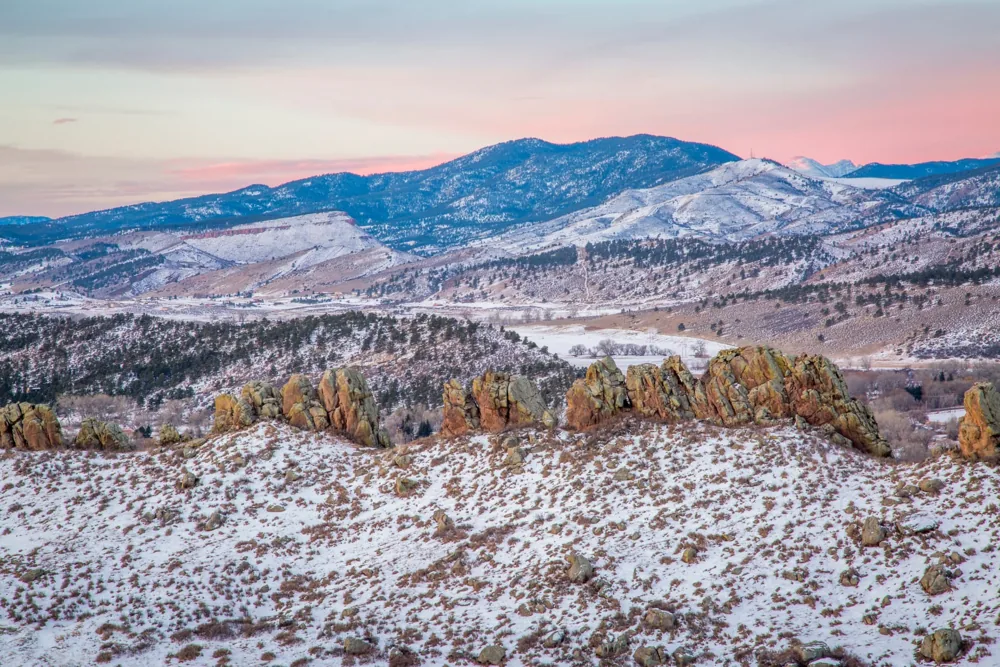
Denver / Wheat Ridge
Mountain Phoenix Community School
The 2026–27 group is underway. Ask about participation and its remaining schedule.
Ask about this location
Interest stage
Lexington, MA
Lexington Waldorf School
A location in formation; dates and availability need confirmation.
Ask about this location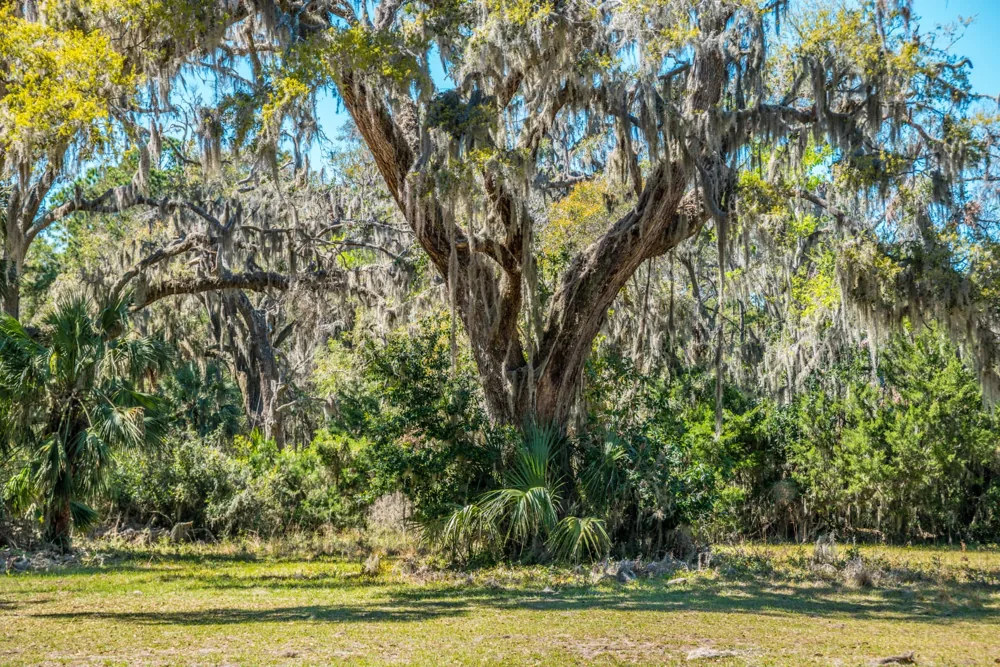
Interest stage
Jacksonville, FL
Spring River
A location in formation; dates and availability need confirmation.
Ask about this locationExtended gatherings may include weekdays; confirm the complete calendar before planning travel.
A program rooted in school communities
Study that brings colleagues together.
In CFA’s account of Building Bridges at Northeast Woodland School, Torin Finser describes shared study and artistic work as a way to strengthen a school’s professional learning community.
A historical program account by Torin Finser, then Director of Building Bridges. Current cohort arrangements should be confirmed with the program team.
Read CFA’s accountHow the study reaches beyond a gathering
Leave time to read, reflect and return.
The program asks participants to prepare for sessions. It names readings, and in some cases a short project or reflective paper afterwards. That matters when you assess the commitment: the learning is not limited to the hours you spend in the room.
The reading outline names Guided Self-Study by Torin Finser, The Storyteller’s Way by Ashley Ramsden and Sue Hollingsworth, and Why on Earth by Signe Eklund Schaefer. Treat these as an indication of the study’s character; confirm the current reading list and assignments with your group before purchasing.
Regional formats combine in-person gatherings with some online work. Ask what your location offers, how your previous foundational study fits, and how much preparation is expected. If you hope to continue into teacher education, ask the receiving institution about admission and any credit separately. Building Bridges participation is not an automatic teaching qualification.
Published program fees
Plan your study.
Published tuition
- Including Explorations
- $4,450
- Prior foundational study
- $3,600
Card surcharge: 3%. Confirm the applicable cohort price.
Payment plan
The separate registration form describes a $300 deposit plus eleven $300 installments. It does not explain the higher full-program price.
Financial aid
The form asks about school support and additional scholarship needs. Aid is subject to individual review.
Before paying
Confirm which study route, location, deposit and total apply to you. The published form lists a $75 cancellation deduction and a 30-day advance refund deadline.
Building Bridges participant voices
A place for real experiences.
This review layout reserves space for attributable Building Bridges participant accounts.
Internal review · asset needed
Participant story — awaiting evidence
An approved Building Bridges video or exact excerpt, participant attribution, offering and permission are still needed. No testimonial is represented here.
Media not yet supplied.
Internal review · asset needed
Another perspective — awaiting evidence
Add a second verified Building Bridges experience with its own source and context. This is an empty review slot, not a quotation or endorsement.
Media not yet supplied.
No verified Building Bridges testimonial asset is available in this draft. WHiSTEP accounts are not substituted.
Before you decide
Honest answers to practical questions.
I already teach. What would I be studying?
Building Bridges connects foundations of Waldorf education with questions from teaching. The approach combines study and discussion with artistic practice, so the ideas can be considered alongside your classroom experience.
Do I need to work in a Waldorf school?
The existing program welcomes working teachers from different schools and people moving seriously into teaching. Tell the team about your setting and experience so they can discuss fit.
Can I fit this around school and family?
Ask for the complete regional calendar, preparation between meetings, any online sessions and required travel. The commitment varies by group; confirm whether your location offers weekend-only or online participation.
Will it qualify me to teach or count toward further study?
Building Bridges is foundational study. Ask the receiving institution to confirm any admission requirement, prior-study recognition or advanced standing in writing. Participation alone does not guarantee a qualification or credit.
What does it cost, and is aid available?
Request your cohort’s full tuition, payment schedule, any financial aid and additional materials or travel costs. Published fees are listed above; confirm the amount and any aid that apply to your group.
Do I have to commit before asking?
No enrollment is made by asking a question. Start with your location and teaching background, then clarify the current cohort, cost and requirements before deciding.
A conversation is a good beginning
Let’s begin with your questions.
Share where you are based, your teaching experience and what you hope to explore with Building Bridges.
Ask about your background, the practical commitment and the next opportunity to join.